5 Marketing Challenges Facing Paducah Small Businesses in 2025
Published: June 12, 2025 | Reading Time: 8 minutes | Author: Kevin Klepeis, Ascent Marketing Services
Small businesses in Paducah are facing a rapidly evolving marketing landscape in 2025. From shifting consumer behaviors to new technologies, local entrepreneurs are navigating challenges that didn't exist just a few years ago. After 20+ years in marketing and extensive work with Western Kentucky businesses, I've identified five critical challenges that Paducah small business owners must address to thrive in today's competitive environment.
Whether you're a downtown retailer, a professional service provider, or a local restaurant, these challenges are likely impacting your ability to reach and convert customers. More importantly, I'll share practical solutions that work specifically for our Paducah market.
Challenge #1: Standing Out in an Oversaturated Digital Space
The Problem: Every business in Paducah—from your local competitor to national chains—is fighting for the same digital real estate. Social media feeds are crowded, Google search results are dominated by big players, and consumers are overwhelmed with marketing messages.
Why This Hits Paducah Businesses Hard: Unlike larger markets where businesses can find niche audiences, Paducah's smaller population means we're all competing for the same local customers. When every restaurant posts about their lunch special or every retailer promotes their sale, breaking through the noise becomes exponentially harder.
Real Local Impact: I've worked with downtown Paducah businesses that were spending $500+ monthly on Facebook ads with minimal results because their content looked identical to every other local business. One client, a local boutique, was posting generic product photos while three competitors were doing the exact same thing within a two-block radius.
The Solution: Develop a distinctive brand voice and visual identity that reflects your unique value proposition. Instead of competing on price or features, compete on personality and local connection.
Actionable Steps for Paducah Businesses:
- Audit your content against your top 3 local competitors. If your posts look similar, it's time to differentiate.
- Develop signature content themes that only you can own. For example, a local coffee shop could feature "Conversations with Paducah" where they interview interesting locals.
- Leverage your Paducah story. What makes your business uniquely connected to our community? That's your competitive advantage.
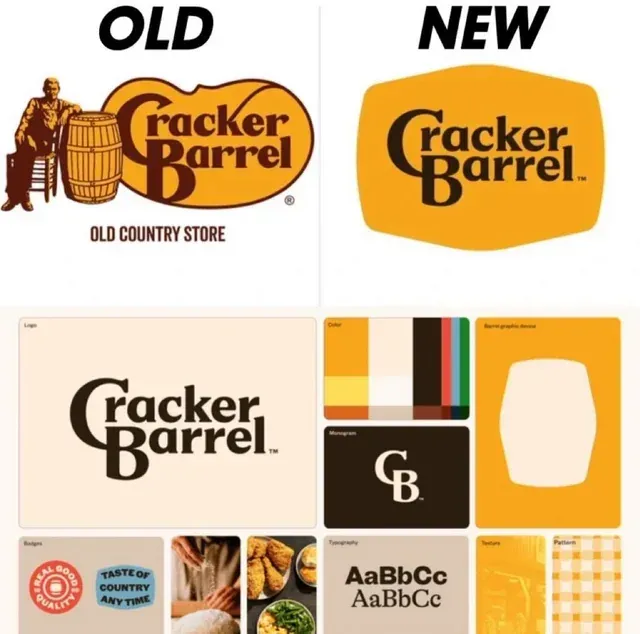
- Invest in professional branding that feels authentic to Paducah while standing out visually.
Success Example: One of my clients, a local service business, stopped posting generic "motivational Monday" content and started sharing behind-the-scenes stories about projects in recognizable Paducah locations. Their engagement increased 300% because locals could relate to the familiar settings and authentic approach.
Challenge #2: Keeping Up with Rapidly Changing Technology
The Problem: Marketing technology evolves faster than most small business owners can keep up. Between AI tools, new social media platforms, advanced analytics, and changing algorithms, it's overwhelming to know what's worth your time and money.
The Paducah Reality: Many local business owners I work with are already stretched thin managing operations. They don't have time to learn the latest marketing automation tool or figure out how to optimize for voice search. Meanwhile, they're worried about being left behind.
What I'm Seeing Locally: Paducah businesses are often 12-18 months behind on adopting new marketing technologies. By the time they implement a solution, the landscape has shifted again. This creates a constant feeling of playing catch-up rather than getting ahead.
The Solution: Focus on mastering foundational technologies that provide long-term value, rather than chasing every new trend. Build systems that can evolve with technology changes.
Technology Priorities for 2025:
- Customer Relationship Management (CRM) - Essential for tracking local customer interactions
- Email Marketing Automation - Higher ROI than social media for most Paducah businesses
- Local SEO Tools - Critical for competing in "near me" searches
- Basic Analytics - Google Analytics 4 and Google Business Profile insights
- Social Media Scheduling - Consistency matters more than being on every platform
Implementation Strategy:
- Start with one tool and master it completely before adding others
- Invest in training or work with a local marketing consultant who stays current
- Focus on tools that integrate with each other to avoid data silos
- Prioritize automation for repetitive tasks like appointment reminders and follow-ups
Local Resource: The Paducah Area Chamber of Commerce occasionally offers technology workshops. These are valuable for learning alongside other local business owners facing similar challenges.
Challenge #3: Converting Online Interest into Local Sales
The Problem: Paducah businesses are generating online engagement—likes, comments, website visits—but struggling to convert that digital interest into actual sales and loyal customers.
Why This Matters in Our Market: Paducah's customer base is relationship-driven. People want to support local businesses, but they need to feel connected to you personally. Generic online interactions don't translate to the personal trust that drives local purchasing decisions.
Common Conversion Gaps I See:
- Social media followers who never visit the store
- Website visitors who don't call or complete contact forms
- Email subscribers who aren't making purchases
- Online reviews that don't translate to new customers
The Solution: Create clear bridges between online engagement and offline action. Make it easy and compelling for digital audiences to take the next step with your business.
Conversion Optimization Strategies: For Retail Businesses:
- Exclusive online-to-offline offers: "Show this post for 10% off your visit today"
- Location-specific calls-to-action: "Visit us at [specific Paducah address/landmark]"
- Social proof from local customers: Feature recognizable community members in testimonials
For Service Businesses:
- Free consultation offers with clear booking systems
- Local case studies showing before/after results for Paducah clients
- Community involvement content that positions you as a local expert
For Restaurants:
- Menu previews that drive immediate visits
- Behind-the-scenes content that builds personal connection
- Event hosting that brings online followers together in person
Measurement That Matters: Track these metrics to ensure your online efforts drive offline results:
- Phone calls generated from digital marketing
- In-store mentions of social media or website content
- Email-to-appointment conversion rates
- Local search to store visit attribution
Challenge #4: Managing Marketing Costs on Limited Budgets
The Problem: Marketing costs have increased significantly while budgets haven't grown proportionally. Facebook ads are more expensive, Google Ads require larger budgets to be effective, and professional marketing services often seem out of reach for small businesses.
Paducah-Specific Budget Realities: Local businesses typically have monthly marketing budgets between $500-$2,000. That doesn't go as far as it used to, especially when competing against national chains with unlimited advertising budgets.
Budget Allocation Mistakes I See:
- Spreading thin across too many platforms instead of dominating one
- Paying for services that don't align with business goals
- Neglecting free or low-cost strategies that work well locally
- Not tracking ROI, so unable to optimize spending
The Solution: Adopt a strategic approach to marketing investment that maximizes impact per dollar spent. Focus on high-ROI activities and build a foundation before expanding.
Smart Budget Allocation for Paducah Businesses:
Micro Budget ($300-500/month):
- 40% Google Business Profile optimization and local SEO
- 30% Email marketing and customer retention
- 20% Social media content creation
- 10% Networking and community involvement
Small Budget ($500-1,500/month):
- 30% Local SEO and Google Ads*
- 25% Content creation (professional photos, videos)
- 20% Social media advertising
- 15% Email marketing automation
- 10% Community sponsorships and events
Medium Budget ($1,500-3,000/month):
- 25% Comprehensive digital advertising
- 20% Professional content creation
- 20% Marketing automation systems
- 15% Local SEO and reputation management
- 10% Community involvement and PR
- 10% Testing new marketing channels
Free/Low-Cost Strategies That Work in Paducah:
- Google Business Profile optimization - Completely free, high impact
- Local networking - Chamber events, business mixers
- Cross-promotion with complementary businesses
- Email marketing - High ROI for maintaining customer relationships
- Community involvement - Sponsoring local events or causes
- Referral programs - Leverage satisfied customers
- Local SEO - Ranking for "Paducah [your service]" searches
ROI Tracking Made Simple:
- Set up Google Analytics 4 for website tracking
- Use unique phone numbers for different marketing channels
- Track email marketing open rates and click-through rates
- Monitor Google Business Profile insights
- Ask new customers how they found you
Challenge #5: Building Trust in a Skeptical Market
The Problem: Consumers are increasingly skeptical of marketing messages. They've been burned by businesses that overpromise and underdeliver. This skepticism is particularly strong in smaller communities like Paducah, where word-of-mouth travels fast—both positive and negative.
Why Trust Matters More in Paducah: In a close-knit community, your reputation precedes you everywhere. A bad experience doesn't just lose one customer; it potentially impacts their entire network of family, friends, and colleagues. Conversely, building genuine trust creates powerful advocates.
Trust Challenges I See Locally:
- Businesses making claims they can't support
- Inconsistent service delivery despite good marketing
- Lack of transparency in pricing or processes
- Not responding to customer concerns publicly
- Over-promising results or timelines
The Solution: Build authentic trust through consistent actions, transparent communication, and genuine community involvement. Make your marketing a reflection of your actual business values and capabilities.
Trust-Building Strategies for Paducah Businesses:
Transparency First:
- Clear pricing on your website when possible
- Honest timelines for service delivery
- Open communication about any challenges or delays
- Behind-the-scenes content showing your actual work process
Social Proof That Resonates:
- Local testimonials from recognizable community members
- Case studies featuring Paducah businesses or residents
- Community involvement documentation (not just talking about it)
- Response strategies for handling negative feedback professionally
Consistency Across All Touchpoints:
- Brand voice alignment between marketing and actual service
- Service quality that matches marketing promises
- Follow-through on all commitments made in marketing
- Professional presentation in all customer interactions
Community Integration:
- Sponsor local events that align with your values
- Participate in community discussions on social media
- Support other local businesses publicly
- Contribute expertise to local business organizations
Handling Skepticism Head-On:
- Address common objections directly in your marketing
- Provide specific examples rather than generic claims
- Offer guarantees or risk reversals when appropriate
- Share your personal story and connection to Paducah
Building Long-Term Relationships:
- Focus on customer retention over constant acquisition
- Create loyalty programs that reward repeat customers
- Stay in touch with past customers through valuable content
- Ask for feedback and implement suggestions publicly
Moving Forward: Your Next Steps
These five challenges aren't insurmountable, but they do require strategic thinking and consistent action. The good news is that small businesses in Paducah have unique advantages: we can be more personal, more responsive, and more connected to our community than larger competitors.
Immediate Action Plan:
- Audit your current marketing against these five challenges
- Identify your biggest obstacle and focus there first
- Set measurable goals for the next 90 days
- Track your progress and adjust strategies based on results
Remember: You don't have to tackle everything at once. Choose one challenge that resonates most with your current situation and dedicate the next quarter to addressing it systematically.
Local Resources to Help:
- Sprocket Paducah: Entreprenuer focused networking and business development resources
- Paducah Area Chamber of Commerce: Networking and business development resources
- Greater Paducah Economic Development: Business growth support
- Kentucky Small Business Development Center: Free consulting and training
- Local marketing professionals: Consider working with consultants who understand the Paducah market
Let's Discuss Your Specific Challenges
Every Paducah business faces unique variations of these challenges. If you're dealing with any of these issues and want to discuss specific solutions for your situation, I'd be happy to chat over coffee and talk through strategies that make sense for your business and budget.
The key is taking action. Small, consistent steps toward addressing these challenges will position your business for growth in 2025 and beyond.
What marketing challenge is your biggest obstacle right now? Share your thoughts in the comments below, or reach out directly to discuss how we can help your Paducah business thrive.
About the Author: Kevin Klepeis brings 20+ years of marketing experience to Paducah small businesses through Ascent Marketing Services. Specializing in strategic marketing planning, content creation, and digital marketing solutions designed specifically for the Western Kentucky market.
Ready to tackle these challenges? Contact Ascent Marketing Services for a free consultation about your specific marketing situation. Visit our contact page or call to schedule a conversation about growing your Paducah business.
Tags: Paducah marketing, small business marketing, local business growth, digital marketing Paducah, marketing strategy, Western Kentucky business
Kentucky Fried Creative